Rituals
Ancient and modern traditions
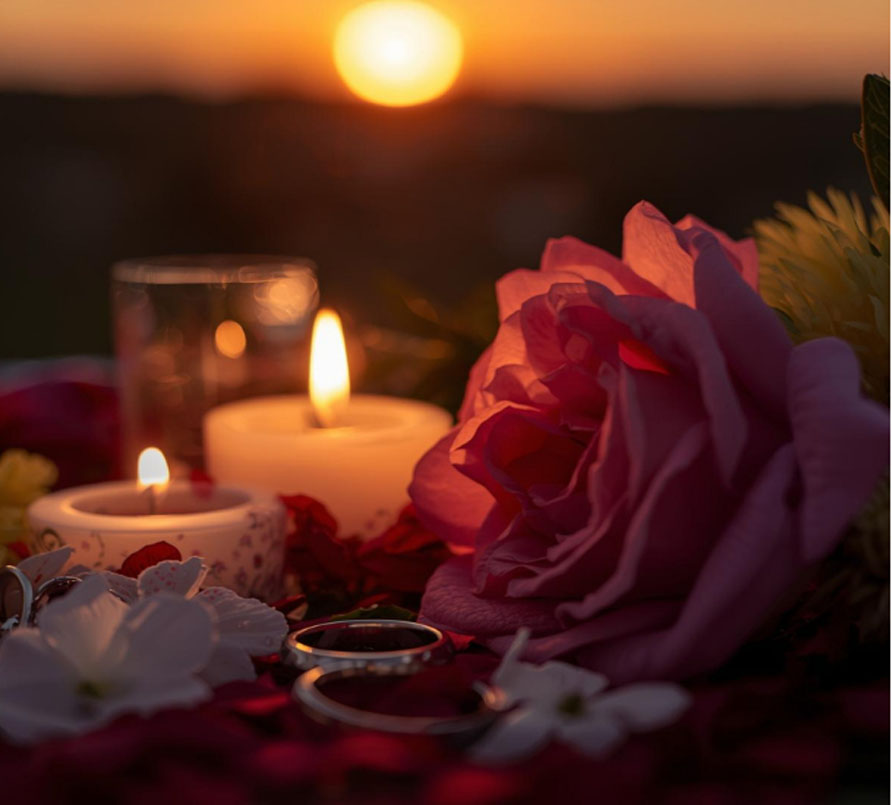
Symbolic rituals offer a deeply enriching layer to any celebration, infusing it with meaning and connection. Each ritual will be inspired by your unique story—woven with care to honour your journey, unite blended families, celebrate cultural heritage, strengthen social bonds, and illuminate shared values and beliefs.
Whether rooted in tradition, shaped by spiritual or cultural elements, or imagined with personal creativity, these rituals become powerful expressions of love, legacy, and belonging.
During our planning together, I will listen attentively to your stories and gently guide you toward rituals that speak through symbolism, movement, and words. As your celebrant, I will thoughtfully consider the setting and practicalities of your ceremony, ensuring each ritual is seamlessly adapted to suit the venue, timing, and those involved. With creativity and care, I will shape moments that feel authentic, magical, and truly yours.
Handfasting
"Tying the knot"
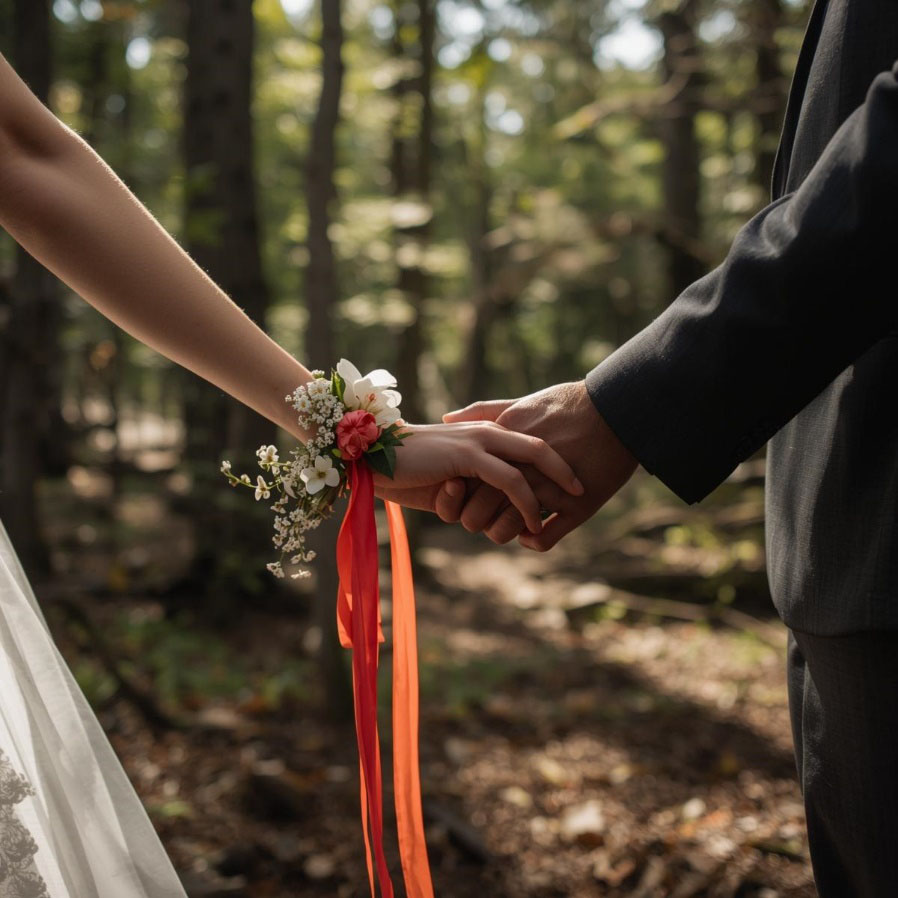
“As your hands are bound, so too are your hearts, two halves finding their way back to one another. In the old stories, soulmates were once whole, separated only so they might journey the world in search of the one who completes them. May this binding honour that ancient longing, guiding you toward a future shaped by joy, strengthened by kindness, and held fast by the love that has brought you home”.
Handfasting is an ancient ritual with roots stretching across Greek, Roman, Viking, and Celtic cultures. Though each tradition expressed it differently, all used the binding of hands to symbolise the legal and spiritual transition into marriage.
I love this story - In Ancient Greece and Rome, couples’ wrists were often joined with garlands of flowers. Plato wrote of soulmates as beings who were once whole, with four arms, four legs, and two heads. Their love was so powerful that Zeus, feeling threatened, divided them in two. From that moment, each half wandered the world in search of the other, longing to be made whole again.
For the Vikings, handfasting served both as a legal form of marriage and as a ritual deeply connected to nature.
Celtic traditions typically used ribbons or cords to bind the couple’s hands, representing unity, devotion, and the weaving together of two lives.
Handfasting was a legally recognised act of marriage in England until 1745. Today, modern ceremonies draw inspiration from these ancient customs to honour romantic, spiritual, and personal commitments.
Handfasting has become a cherished contemporary ritual within wedding ceremonies. Couples may choose it to honour nature, the season of their marriage, or particular deities or goddesses. Others use it to celebrate their personalities, cultural heritage, beliefs, family members, or ancestors.
Because this is your wedding ceremony, the handfasting can be shaped entirely around you. It can be beautiful, romantic, playful, spiritual, symbolic—or a blend of all these qualities. The ritual becomes whatever you wish it to be, reflecting the story you are choosing to weave together.
Personalised handfasting cords and ribbons offer couples a beautiful way to express their story. Many choose multicoloured ribbons, cords, or other meaningful materials inspired by their personalities, favourite football teams, or wedding colours. These ribbons can be plaited together and woven with flowers or personal symbols, such as lockets containing photographs of loved ones who cannot be present. Some couples enjoy learning to make their own cords, while others prefer to commission a bespoke design crafted especially for their day. There are many meaningful ways to “tie the knot,” and each knot carries its own symbolism. The finished cord is often kept as a cherished reminder of the couple’s union and the unbreakable bond they have chosen to honour.